South India Birding & Wildlife Tour

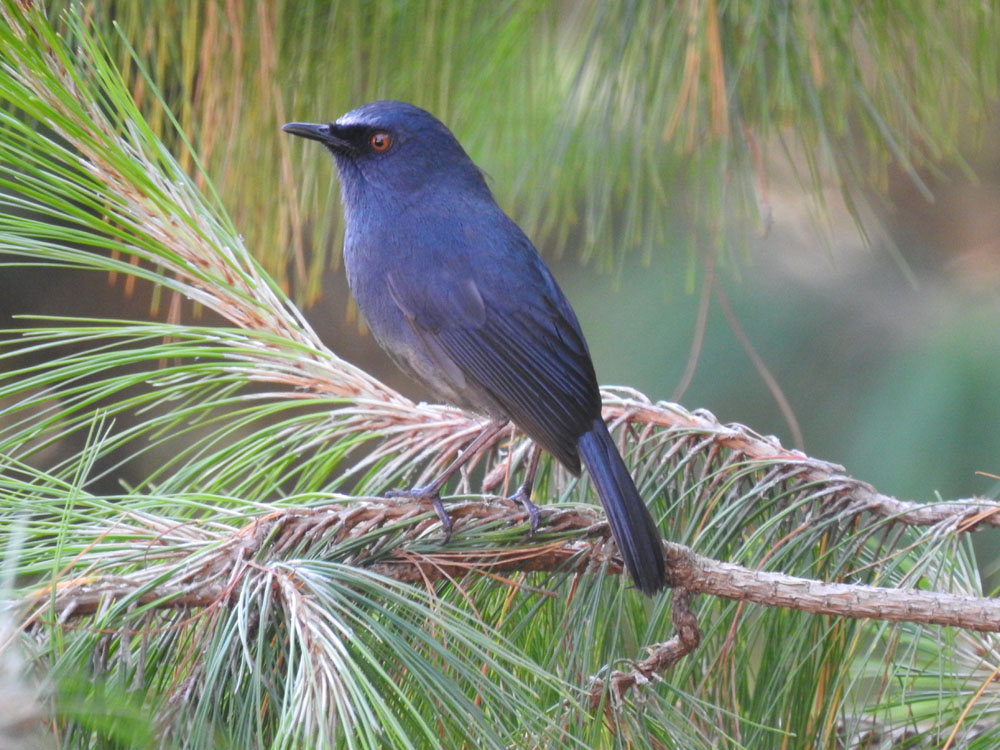
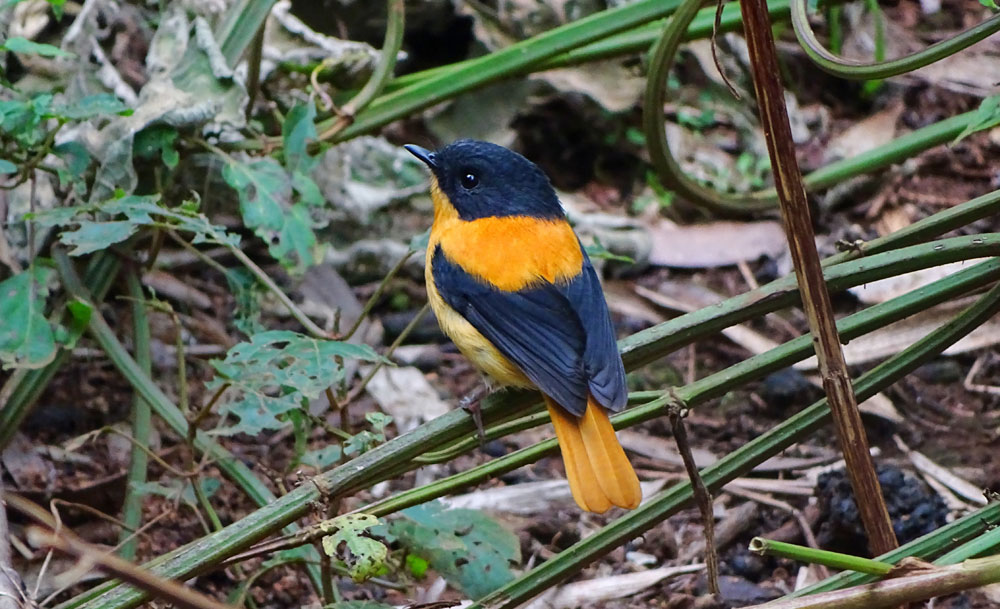
South India Birding Tour. Black and Orange Flycatcher

OVERVIEW

This 8-day birding expedition takes you through South India’s premier biodiversity hotspots. The journey offers excellent opportunities to encounter endemic and migratory bird species across the scenic landscapes of the Western Ghats. From the forests of Thattekkad and Periyar Tiger Reserve to the high-altitude hills of Munnar and Ooty, every destination is ideal for birdwatchers and nature lovers.

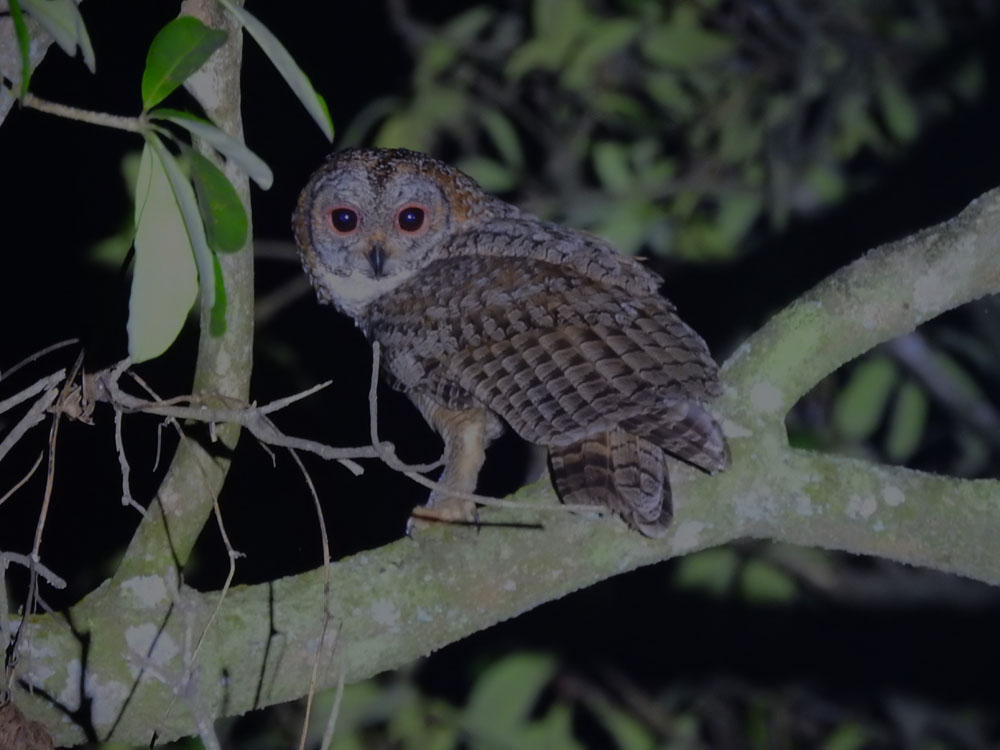
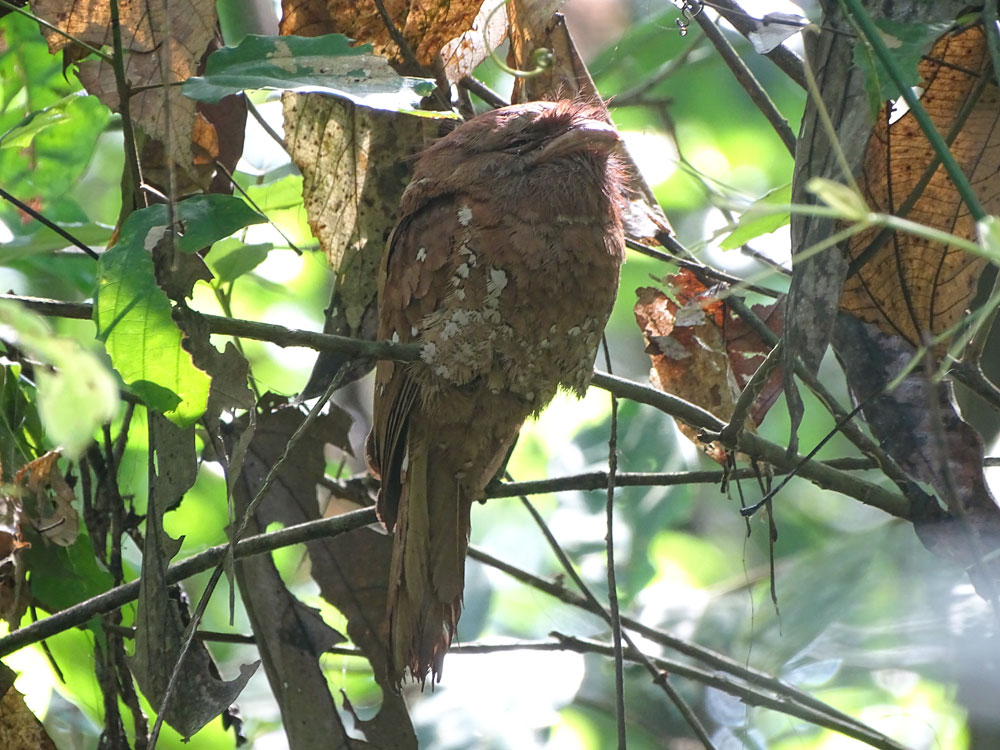
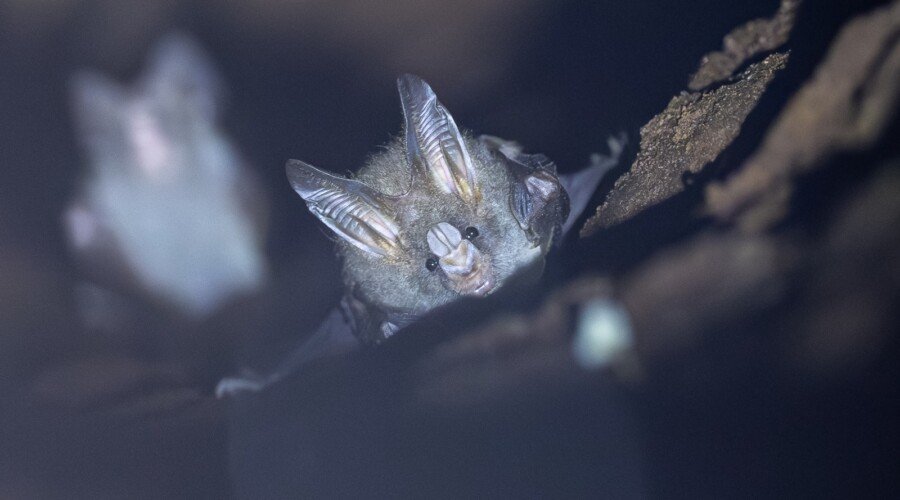
The journey begins at the Salim Ali Bird Sanctuary in Thattekkad, one of South India’s finest birding destinations. Here, you will explore rich forest habitats filled with colorful and rare bird species. Sightings may include the Crimson-backed Sunbird, Malabar Grey Hornbill, White-bellied Treepie, and the elusive Sri Lanka Frogmouth. In addition, night birding excursions may reveal species such as the Sri Lanka Bay Owl and Spot-bellied Eagle Owl.

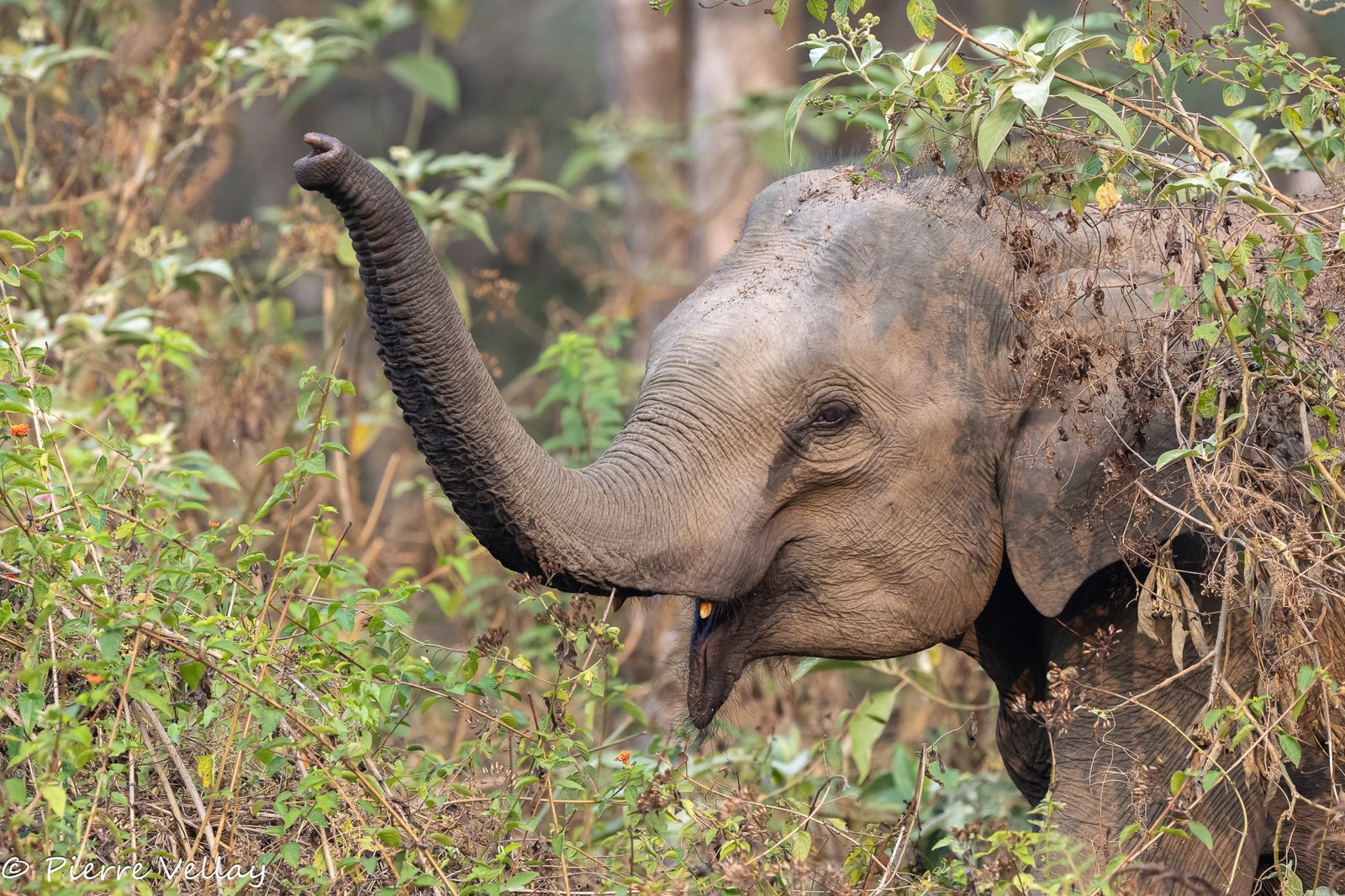
From Thattekkad, the tour continues to Periyar Tiger Reserve. Guided forest walks and birdwatching sessions provide excellent opportunities to spot the Waynad Laughingthrush, Great Indian Hornbill, and Nilgiri Wood Pigeon. Moreover, the reserve is also home to elephants, Gaur, Sambar Deer, and other wildlife.

The adventure then moves into the cool highlands of Munnar. Surrounded by tea plantations, grasslands, and shola forests, Munnar is famous for its high-altitude endemic species. Here, birdwatchers can look for the Nilgiri Pipit, Nilgiri Flycatcher, White-bellied Blue Robin, and Black-and-orange Flycatcher. Furthermore, a visit to Eravikulam National Park offers chances to observe the endangered Nilgiri Tahr along with several montane bird species.

Descending toward Coimbatore, the changing landscapes create excellent birdwatching opportunities. The route passes through the Nilgiri foothills, where montane forests gradually transform into dry deciduous woodland. As a result, bird diversity increases across the region.

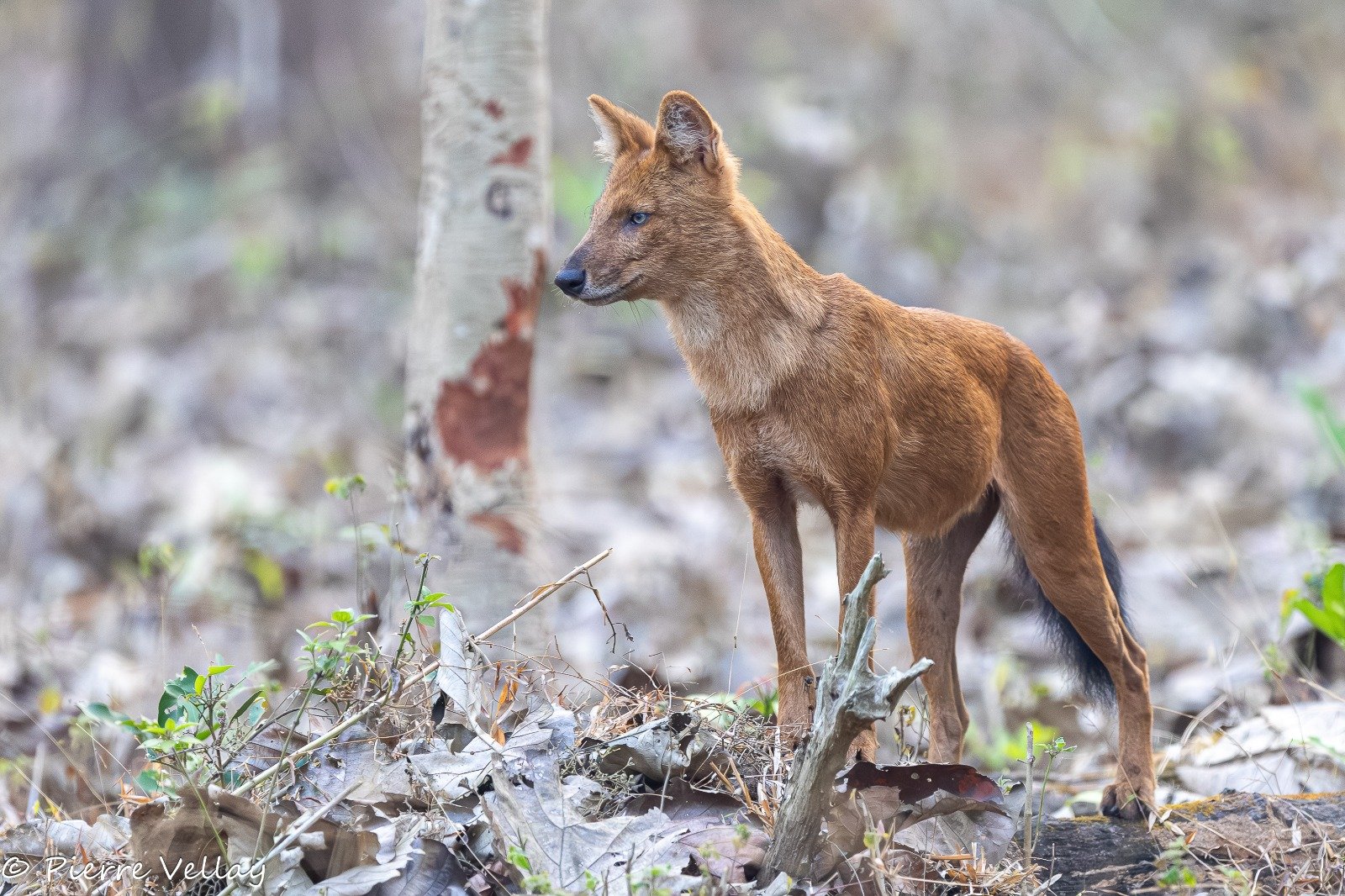
The journey then continues to Mudumalai Tiger Reserve, a rich dry deciduous ecosystem known for both birdlife and mammals. Open grasslands and forest patches support species such as the Blue-faced Malkoha, Jerdon’s Bushlark, Vernal Hanging Parrot, White-bellied Drongo, and Yellow-footed Green Pigeon. In addition, safaris may also reveal elephants, Gaur, Spotted Deer, and predators like the Dhole or Leopard.

Throughout the expedition, you will experience a remarkable variety of habitats, including evergreen forests, grasslands, montane ecosystems, and dry forests. Guided by experienced local naturalists, the tour combines specialized birdwatching sessions, wildlife safaris, and nighttime excursions across South India’s biodiverse landscapes.

Finally, the journey concludes in Bangalore. You will depart with unforgettable memories of South India’s endemic birds, spectacular wildlife, and breathtaking scenery. This expedition is perfect for birdwatchers, photographers, and wildlife enthusiasts seeking an immersive experience in the Western Ghats.

HIGHLIGHTS

  • Birding in the Western Ghats’ Biodiversity Hotspots
  • Unique Nocturnal Birdwatching
  • Diverse Wildlife Encounters Across Habitats

ITINERARY

Day 1 & 2:
Salim Ali Bird Sanctuary, Thattekkad
All Meals
Wildlife Watching & Birding
Our team will warmly welcome you at Cochin International Airport and transfer you to Thattekkad, where your birdwatching adventure begins. Upon arrival, you’ll have the rest of the day to explore this rich birding area, including an evening walk to spot nocturnal species. Your stay in Thattekkad spans two nights, with a full day dedicated to birdwatching in this unique habitat known for its high concentration of Western Ghats endemics. Target species here include the vibrant Crimson-backed Sunbird, Grey-headed Bulbul, Malabar Grey Hornbill, Flame-throated Bulbul, Malabar Woodshrike, Malabar Barbet, Grey-fronted Green Pigeon, Malabar Starling, Nilgiri Flowerpecker, and the White-cheeked Barbet. A good number of nocturnal species are expected from here, both during the day and at night such as Mottled Wood Owl, Oriental Scops Owl, Indian Scops Owl, Brown Fish Owl, Brown Hawk Owl, Spot-bellied Eagle Owl, Sri Lanka Frogmouth, Jerdon’s Nightjar and Great-eared Nightjar we will spend a considerable amount of time in search of the Sri Lanka Bay Owl as well.
Day 3:
Periyar tiger Reserve
All Meals
Wildlife Watching & Birding
You’ll head to Periyar, where you’ll explore the tiger reserve on guided morning and afternoon walks, accompanied by expert forest guards. After check-in and lunch, embark on your first walk in the national park. The top bird to seek out here is the elusive Waynad Laughingthrush, along with other remarkable species such as the Great Indian Hornbill, Malabar Trogon, White-bellied Treepie, Grey-fronted Green Pigeon, Jungle Owlet, Black Baza, Woolly-necked Stork, White-bellied Blue Flycatcher, Velvet-fronted Nuthatch, Indian Paradise Flycatcher, Oriental Scops Owl, Rufous Woodpecker, Large-billed Leaf Warbler, Malabar Grey Hornbill, Malabar Parakeet, and Indian Scimitar Babbler. The reserve’s trails also offer excellent opportunities for spotting larger mammals like Elephants, Sambar Deer, Indian Gaur, and Nilgiri Langur, enhancing the experience of this rich and biodiverse landscape.
Day 4:
Munnar
All Meals
Wildlife Watching & Birding
After the morning birding session at Periyar, you will set off for Munnar. Enroute we will look for the confined Yellow-throated Bulbul. Other species we may see here are Brown-headed Barbet, Jungle Prinia, Yellow-billed Babbler, Blue-bearded Bee-eater, Blue-faced Malkoha, White-browed Bulbul, Purple-rumped Sunbird, Black Eagle, Common Woodshrike, Chestnut-head Bee-eater, Indian Swiftlet, Common Iora, White-bellied, Bronzed Drongo, Purple Sunbird, Asian Palm Swift, Booted Eagle, Crested Serpent Eagle, Common Kestrel and Tawny-bellied Babbler. At Munnar the montane forests reach as high as 2600 meters above sea level. In the heart of these Sholas found numerous unique inhabitants of the Nilgiri mountains, here we will be looking out for the most sought-after western Ghats endemic birds like Nilgiri Pipit, Nilgiri Flycatcher, White-bellied Blue Robin (or now called White-bellied Sholakili), Palani Laughingthrush, Nilgiri Thrush, Black and Orange Flycatcher, Nilgiri Flowerpecker and Nilgiri Wood Pigeon. You will visit Eravikulam National Park renowned for the population of the Nilgiri Tahr and ungulate endemic to the Western Ghats, the park hosts a remarkable number of endemics such as, White-bellied Blue Robin, Palani Laughingthrush, Black and Orange Flycatcher, Nilgiri Pipit and sometimes the rare Broad-tailed Grassbird.
Day 5:
Coimbatore
All Meals
Wildlife Watching & Birding
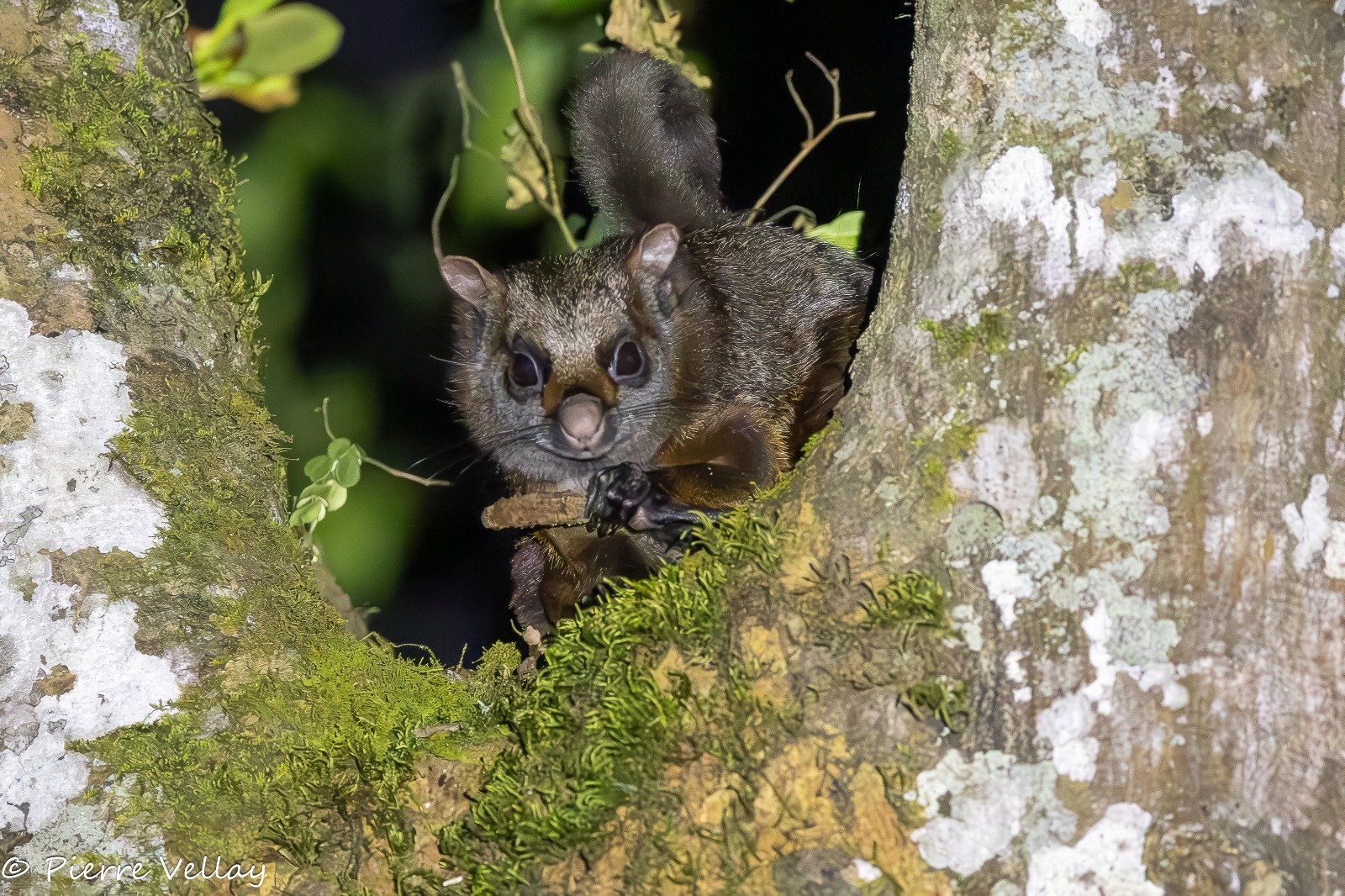
Today we set off northwards, descending from the Nilgiri Hills into the plains toward Coimbatore. We begin early with a packed breakfast as the journey passes through one of the most fascinating ecological transitions in the Western Ghats, from montane forests to the dry rain-shadow landscapes of the plains, supporting several localized and endemic species. Most of today’s birding is done en route and within Chinnar Wildlife Sanctuary, a unique protected area known for its dry thorn scrub, sandalwood forests, and for being one of the best places in South India to see the endangered Grizzled Giant Squirrel. During an approximately three-hour walk, species such as Blue-faced Malkoha, Sirkeer Malkoha, Yellow-eyed Babbler, Thick-billed Flowerpecker, and White-bellied Drongo may be encountered, along with mammals like Spotted Deer and Tufted Grey Langur.
Day 6:
Mudumalai Tiger Reserve, Masinagudi
All Meals
Wildlife Watching & Birding
You will set off for Mudumalai via Ooty, it’s a long journey (06 hrs.) awaits you ahead. Ooty is a notable place for the Nilgiri resident birds. You will spend the rest of the day birding in Ooty most of the birding here is done in the Shola Forest patches. Key species to lookout for includes, Nilgiri endemics such as Nilgiri Flycatcher, Nilgiri Wood Pigeon, Nilgiri Laughingthrush (or Black-chinned), the striking Black and Orange Flycatcher, Nilgiri Blue Robin, Nilgiri Pipit and the top-notch species of the region Nilgiri thrush. Amongst the endemics, other species we may well see are Painted Bush-Quail, Square-tailed Bulbul, Tickell’s Leaf Warbler, Brown-cheeked Fulvetta, White-spotted Fantail, Indian Yellow Tit, Grey Jungle Fowl, Indian Blackbird, common Rosefinch, Indian White-eye, Grey-headed Canary Flycatcher and Bar-winged Flycatcher-shrike. After spending a reasonable amount of time at Ooty for the essential targets we will transfer you to Mudumalai.
Day 7:
Mudumalai Tiger Reserve, Masinagudi
All Meals
Wildlife Watching & Birding
Full day birding at Mudumalai, the dry deciduous forest and the short grass covered open country has many more birds to add to your list, Blue-faced Malkoha, Jordon’s Bushlark, White-bellied Minivet, Tawny-bellied Babbler, White-bellied Drongo, Bay-backed Shrike, Long-tailed shrike, Golden-fronted Leafbird, Vernal Hanging Parrot, Plum-headed Parakeet, Yellow-footed Green Pigeon, Black-headed Cuckoo-Shrike, Grey-bellied Cuckoo, Coppersmith Barbet, Yellow-eyed Babbler, White-browed Fantail, Indian-blue Robin, White-rumped Shama and Crested Hawk-Eagle are few notable species.
Day 8 Departure:
Coimbatore
All Meals
Airport Drop
You will be transferred to Coimbatore International Airport for your departure, marking the end of your South India Birdwatching adventure.

FAQ

1. Can this tour be customized specifically for photography?

Yes. This tour can be tailored to suit both professional and hobbyist wildlife photographers.

2. What is the best time for the birding trip?

The best time for birding in South India is from October to March. During this period, the weather is pleasant, and both resident and migratory species are active and easier to observe. Wetlands team with migratory ducks and waders, while forest reserves host breeding endemics and tropical species in full display.

3. What are the rare endemic and top target bird & mammal species to expect during the trip?

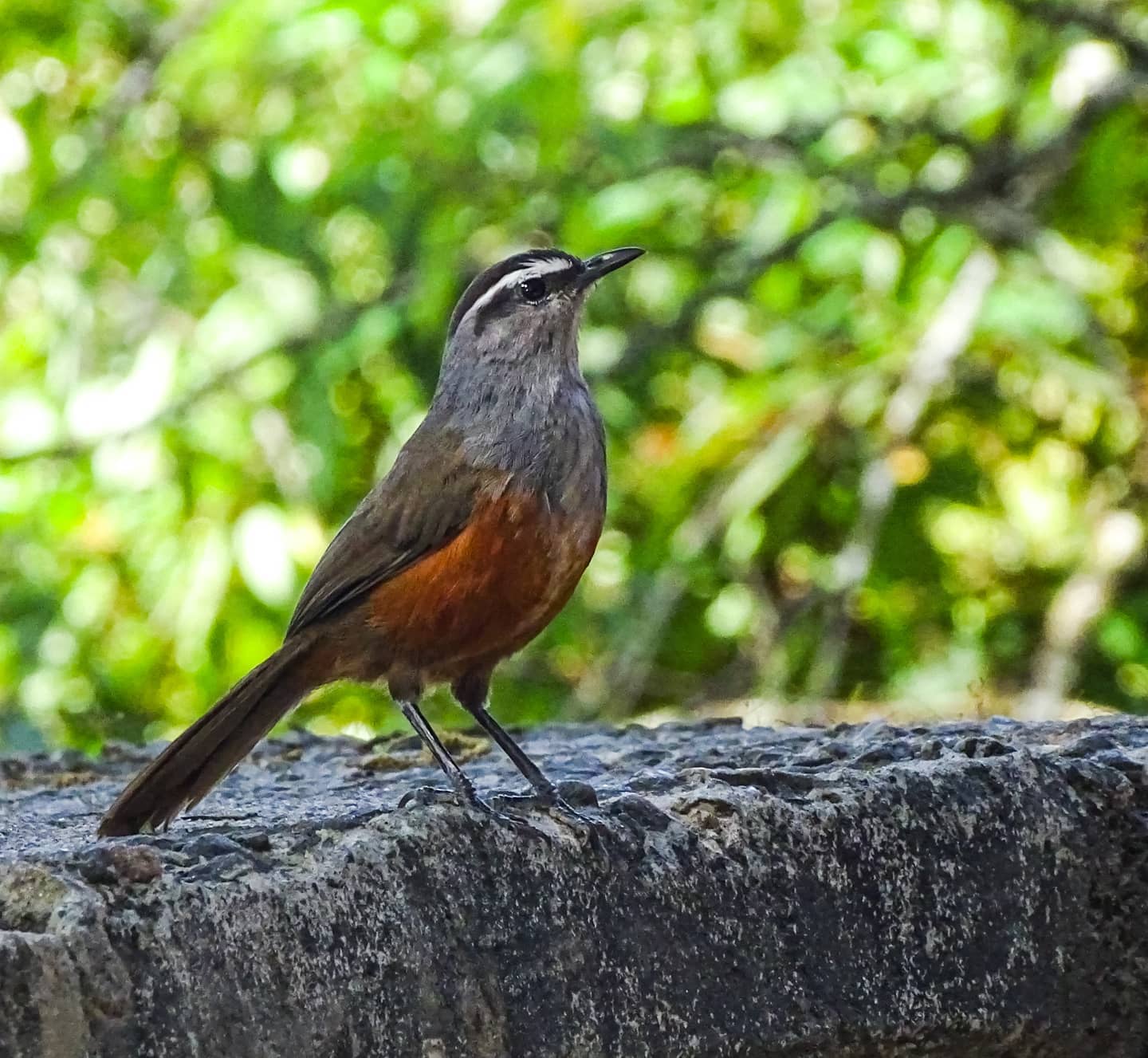
This tour covers multiple biodiversity hotspots in the Western, home to some of India’s most sought-after species. Key Birding Targets: ●Nilgiri Flycatcher, Nilgiri Pipit, Black-and-Orange Flycatcher, White-bellied Blue Robin ●Malabar Trogon, Malabar Whistling Thrush, Wynaad Laughingthrush, Grey-headed Bulbul ●Sri Lanka Frogmouth and Great Hornbill Notable Mammals: ●Lion-tailed Macaque (endangered and endemic) ●Nilgiri Langur, Indian Giant Squirrel, Sloth Bear, Asian Elephant ●Occasional sightings of Leopard and Gaur (Indian bison)

4. Are professional birding guides available during the trip?

Yes. Every tour is accompanied by experienced naturalist guides with extensive knowledge of local birdlife, behavior, and calls. They assist in spotting, identification, and help you locate rare endemics—ideal for both beginners and serious birders.

5. Is the region known for any endangered species?

Absolutely. South India, especially the Western Ghats, is a UNESCO World Heritage Biodiversity Hotspot. Endangered species include the Lion-tailed Macaque, Nilgiri Tahr and several endemic birds such as the White-bellied Treepie and Nilgiri Pipit. Habitat protection in this region plays a crucial role in the survival of these unique species.

6. How physically engaging is the tour?

This is a moderately easy tour, suitable for most fitness levels. Field sessions generally last 1–3 hours at a relaxed pace, with frequent stops for wildlife observation and photography. Walking trails may include gentle slopes or forest paths, but no strenuous trekking is required. Participants should be comfortable with early mornings and spending several hours outdoors.

7. What type of accommodation and transport are provided during the tour?

Accommodation is arranged in a mix of eco-lodges, forest guesthouses, and comfortable hotels, each chosen for proximity to birding sites and natural settings. All accommodations include private facilities, quality meals, and eco-friendly practices where possible. Transport is by private air-conditioned vehicles, ensuring flexibility, comfort, and easy access to remote birding zones.

8. How likely is it to spot large mammals like elephants, tigers, or leopards?

While this is primarily a birding tour, sightings of large mammals are possible. Asian Elephants, Gaur, Malabar Giant Squirrels, and Lion-tailed Macaques are commonly observed. Leopards and Sloth Bears are occasionally sighted in forested areas like Mudumalai and Periyar, while tiger sightings are possible but rare.

9. Are there chances of seeing nocturnal species during the tour?

Yes. Nocturnal birding sessions are a highlight of this tour. We often conduct evening or night walks with head torches to spot species like the Sri Lanka Frogmouth, Great Eared Nightjar, Jungle Nightjar, and various owl species including the Mottled Wood Owl and Spot-bellied Eagle Owl. Amphibians, frogs, and nocturnal mammals may also be seen during these outings.

10. Does the itinerary include early morning or evening safaris for better wildlife and bird-watching chances?

Yes. The tour is designed around the best bird activity periods—early mornings and late afternoons. Morning safaris begin around sunrise for forest birding, while evening sessions target species that are active at dusk. These timings maximize your chances of quality sightings and ideal lighting for photography.

11. What are the top endemic and endangered species from the region?

Some of the most remarkable species unique to South India and the Western Ghats include: ●Endemic Birds: Nilgiri Flycatcher, Nilgiri Laughingthrush, White-bellied Blue Robin, Grey-headed Bulbul, and Malabar Parakeet ●Endangered Mammals: Lion-tailed Macaque and Nilgiri Tahr These species reflect the exceptional evolutionary isolation and biodiversity of the Ghats ecosystem.

12. Does the tour include opportunities to see species beyond birds and mammals, such as reptiles, amphibians, dragonflies, butterflies, or fish?

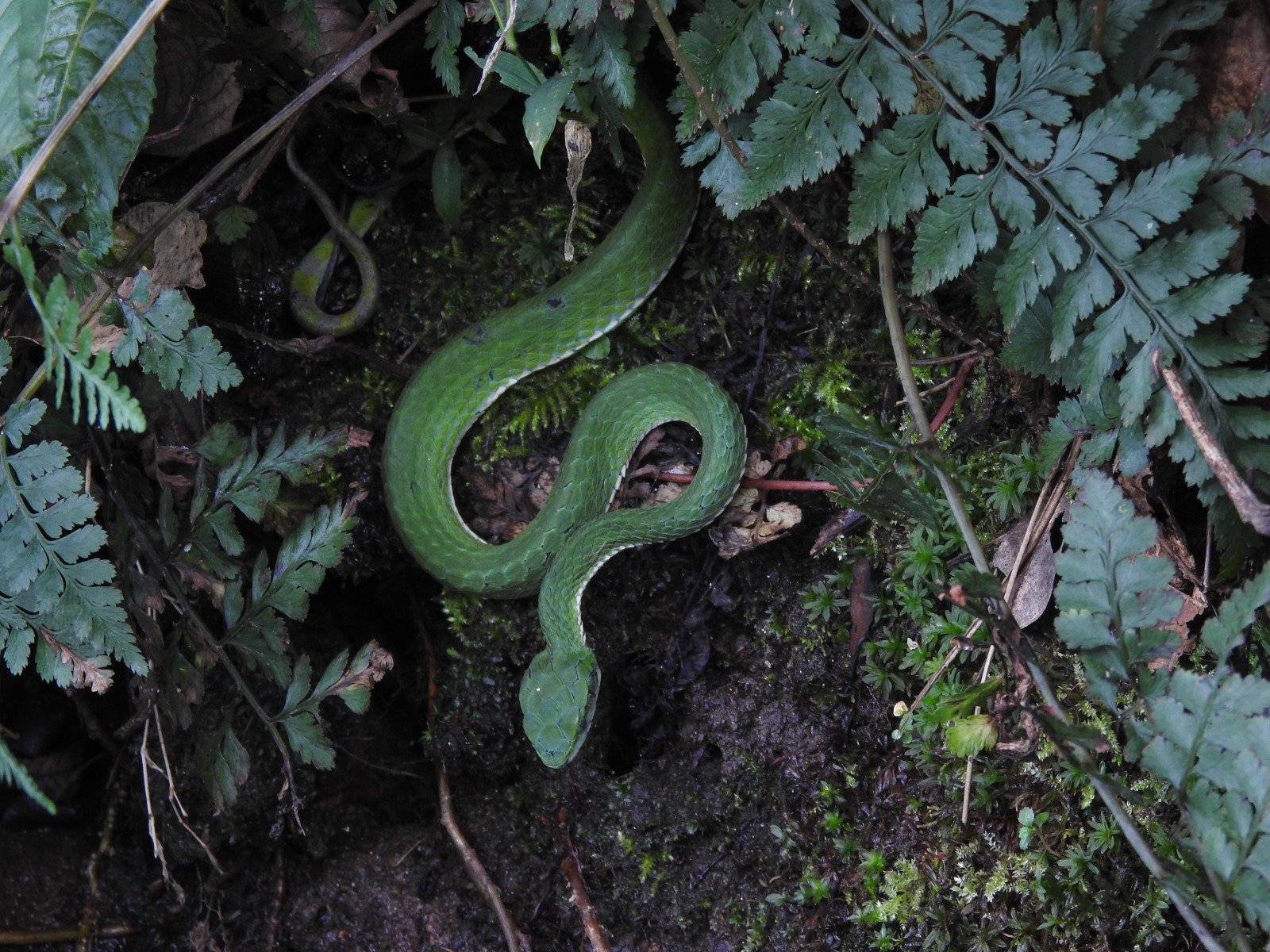
Yes, absolutely. South India’s diverse habitats—ranging from tropical rainforests to wetlands—host a stunning variety of reptiles, amphibians, butterflies, and dragonflies. Expect to encounter Green Vine Snakes, Draco (Flying Lizards), endemic bush frogs, and colorful butterfly species like the Southern Birdwing and Blue Mormon. Many participants also enjoy photographing dragonflies and damselflies in forest areas.

13. Will the tour include safaris inside protected areas?

Yes. During the tour, we may go on safaris inside the Mudumalai Tiger Reserve. Although the itinerary doesn’t specifically mention them, you can choose to extend your stay by a day or allocate time within your existing schedule for a safari experience. These safaris follow designated routes that are carefully planned to minimize disturbance to wildlife and ensure visitor safety, while offering excellent opportunities to observe animals in their natural habitat and capture memorable photographs.

14. Is this tour safe for solo women travellers?

We maintain the highest safety standards across every trip — from handpicked, reputable accommodations to trained local guides who prioritize your comfort and security. Our small-group style ensures personal attention, while all logistics are handled by our trusted in-house team. Many solo women have travelled with us across India’s wilderness, cycling routes, and cultural trails with great experiences and lasting friendships.

BOOK NOW

GALLERY

Please note that the cost of our tour includes the activities and accommodations specified in the itinerary as per twin sharing basis(min 2 PAX). For single traveller price may vary. Any additional expenses, such as laundry services or beverages (including alcoholic drinks), are not covered and can be settled directly with the hotels or establishments where these services are provided.

Related Tours

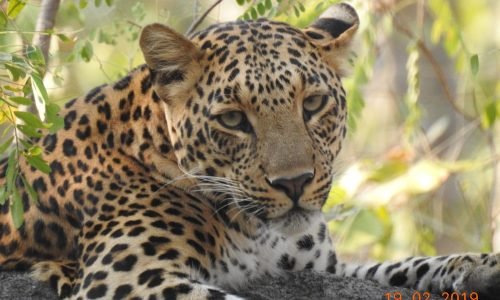
Close-up of a leopard resting in Nagarhole National Park, Kabini.
Golden Triangle journey through Northern India’s cultural landmarks, royal heritage, and incredible wildlife.
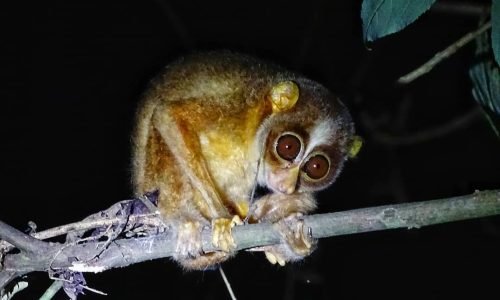
Grey Slender Loris spotted at night in the forests of Salim Ali Bird Sanctuary, Thattekkad, Kerala, India
Journey through South India’s most captivating wildlife sanctuaries, national parks, and birding hotspots