Birdwatching in Kerala’s High-Altitude Western Ghats
Discover one of the most rewarding highland birding experiences in South India on this guided
Munnar Birding Day Tour. Set among mist-covered mountains, shola forests, grasslands, tea estates
and forest-edge habitats, Munnar is one of the best places in Kerala to look for the highly localised
birds of the southern Western Ghats.
This private birdwatching tour is designed for international birders, wildlife photographers and
nature enthusiasts who wish to explore the exceptional birdlife around Munnar and Eravikulam
National Park. With an experienced local birding guide, you will visit productive habitats at the most
suitable times of day and focus on the region’s key endemic and high-altitude specialties.
Munnar is especially important for birders seeking species associated with the Shola Sky Islands,
isolated montane forest and grassland habitats found at higher elevations in the southern Western
Ghats. Depending on the season, weather and bird activity, a half-day tour can produce around 35
60 species, while a full-day extension can offer even better chances for a broader species list.
Why Bird in Munnar?
Munnar is very different from lowland birding destinations such as Thattekkad. Here, the focus is on
cool-climate montane species, shola forest specialists and birds restricted to the higher reaches of
the Western Ghats.
The region’s mosaic of cloud forest, rolling grasslands, tea-country edges, streams and forest
clearings creates excellent birding opportunities within a relatively compact area.
Key advantages include:
- One of the best places in Kerala for high-altitude Western Ghats endemic birds
- Excellent chances for several difficult-to-see South Indian specialties
- Beautiful mountain landscapes, ideal for birding and photography
- Suitable for both serious birders and first-time visitors to the Western Ghats
- Comfortable access from hotels in Munnar
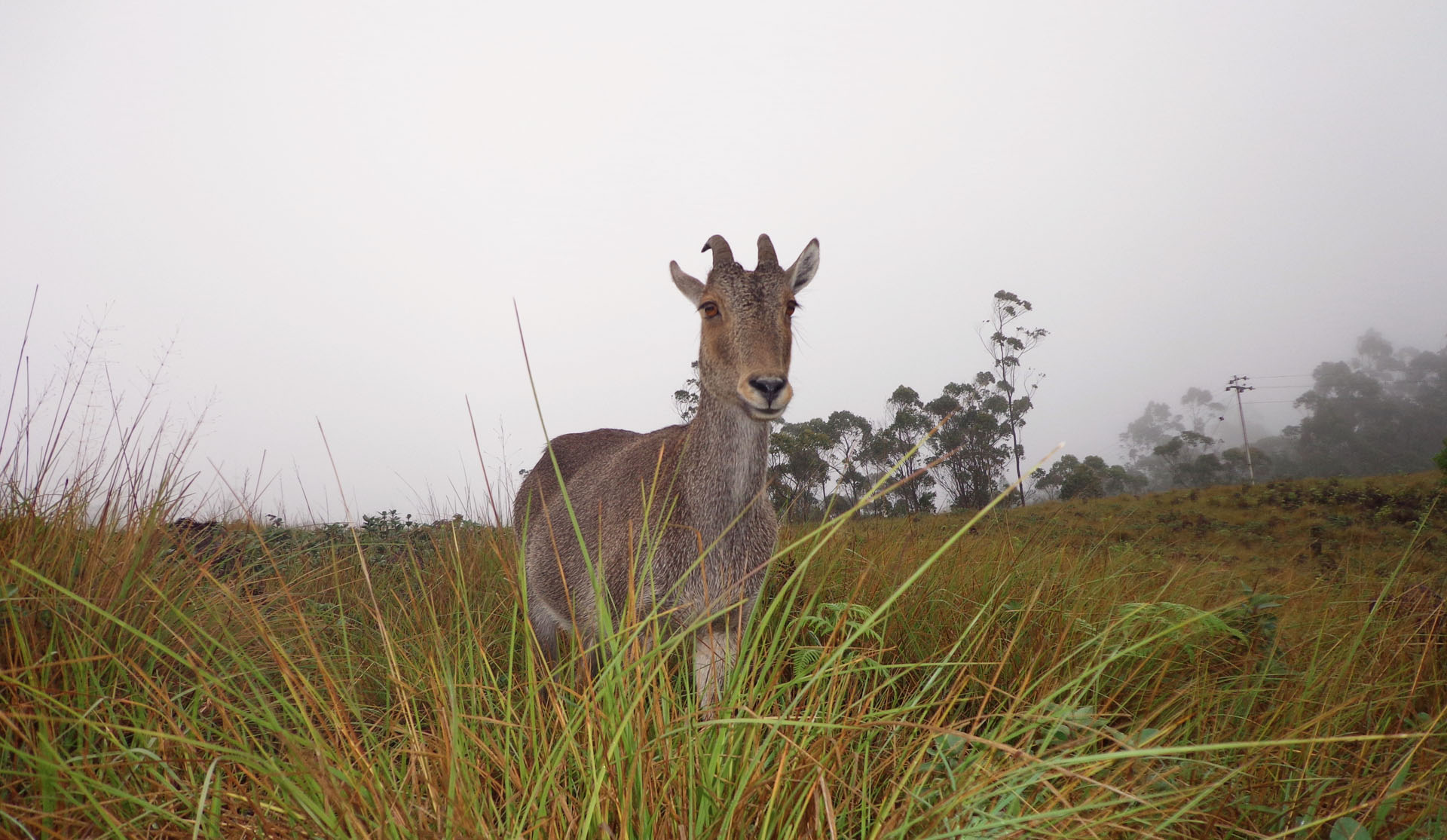
- Opportunities to combine birding with mammal watching, including Nilgiri Tahr
- Productive birding throughout much of the year
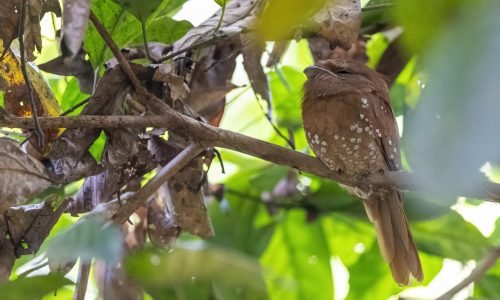
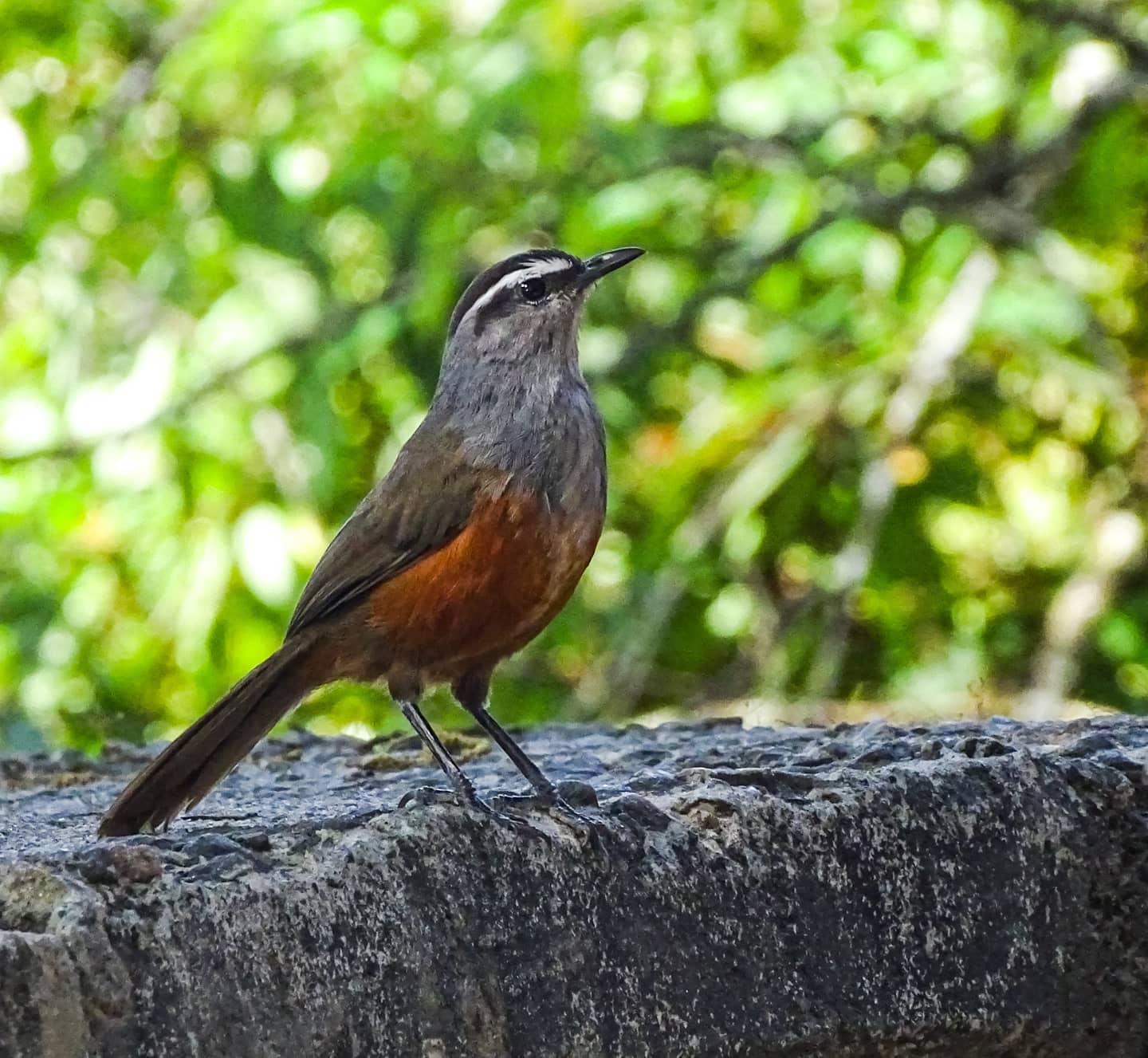
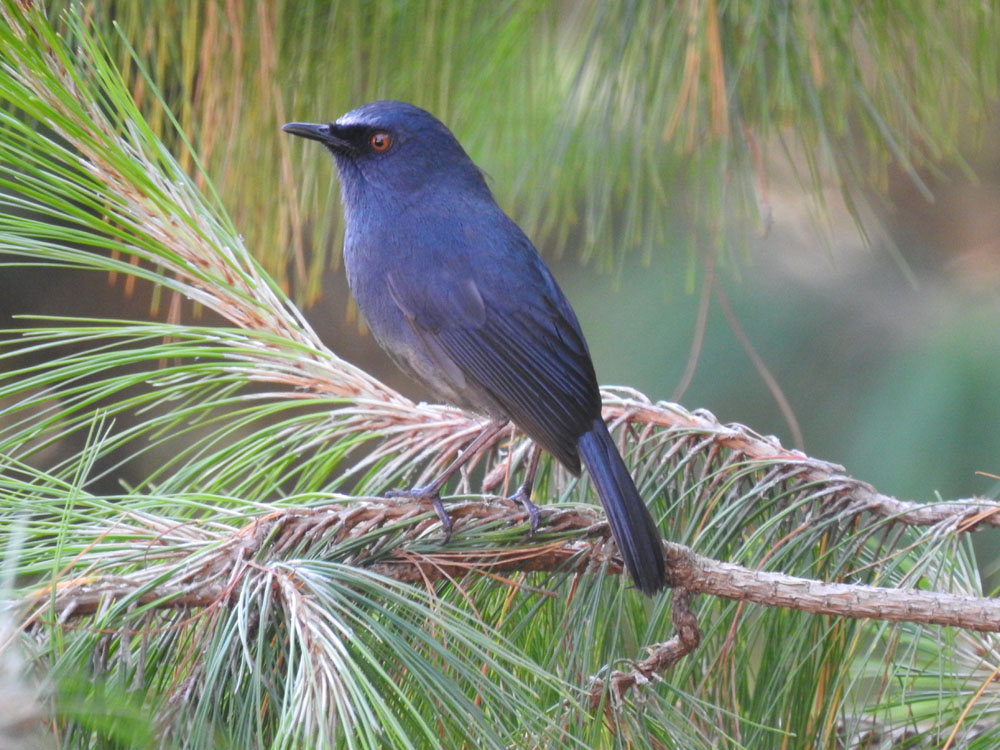
- Western Ghats Endemic Bird Highlights
Munnar is among the finest destinations in South India for species restricted to the Western Ghats
and associated montane habitats.
Possible endemic and near-endemic species include:
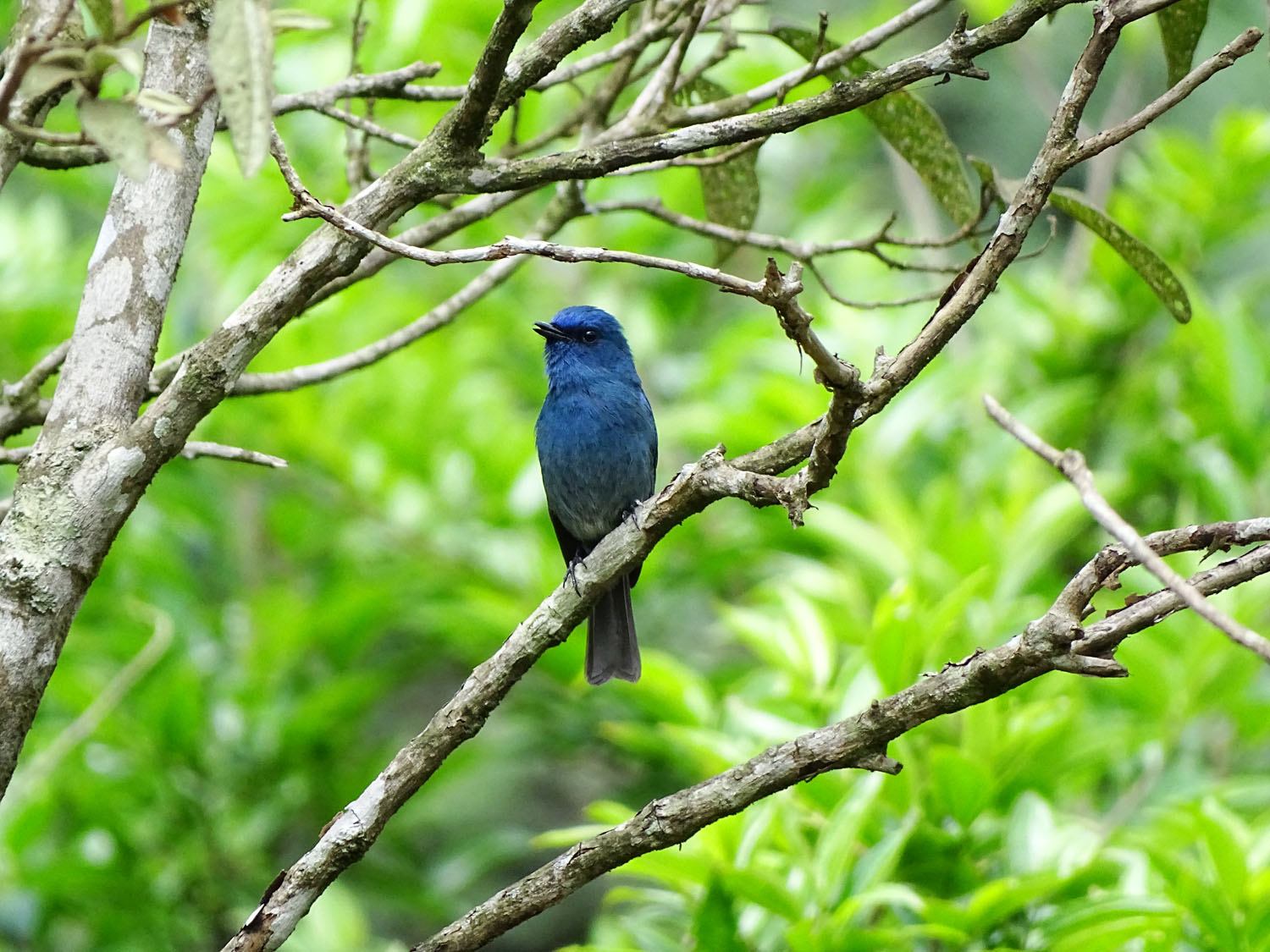
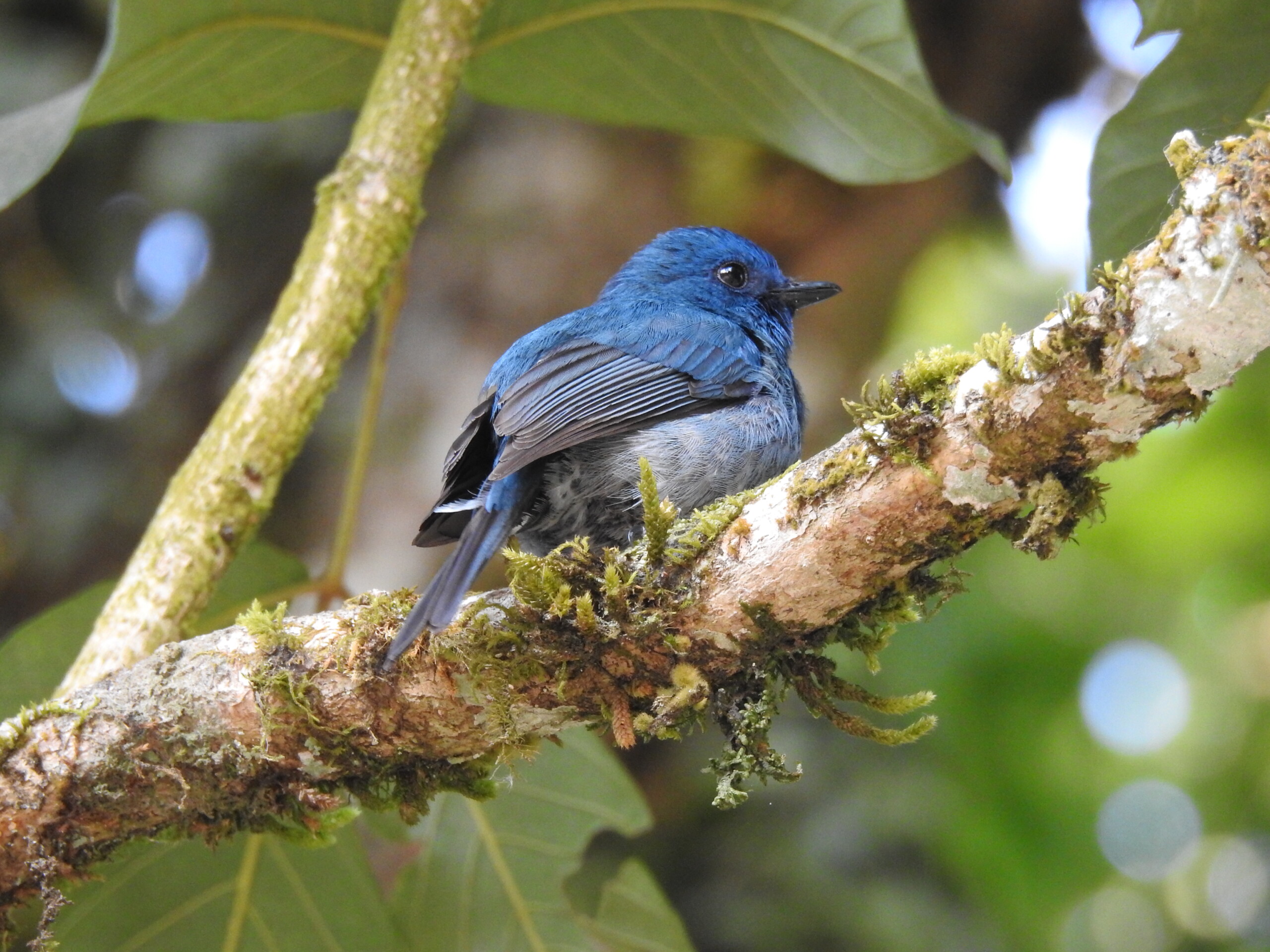
- Nilgiri Flycatcher
- White-bellied Sholakili
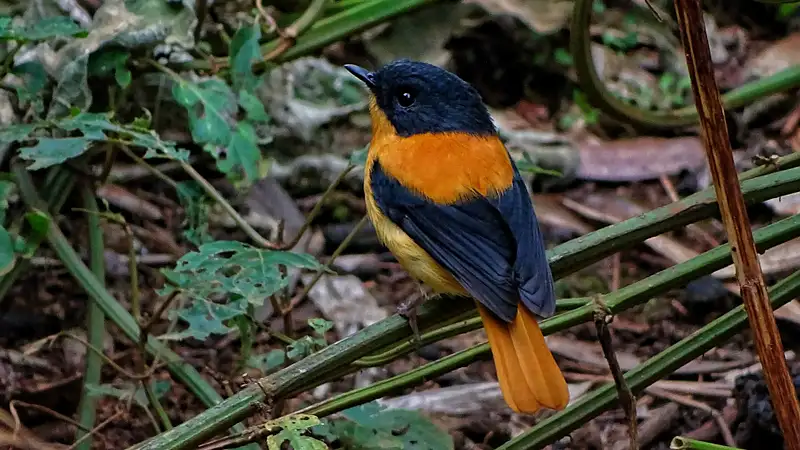
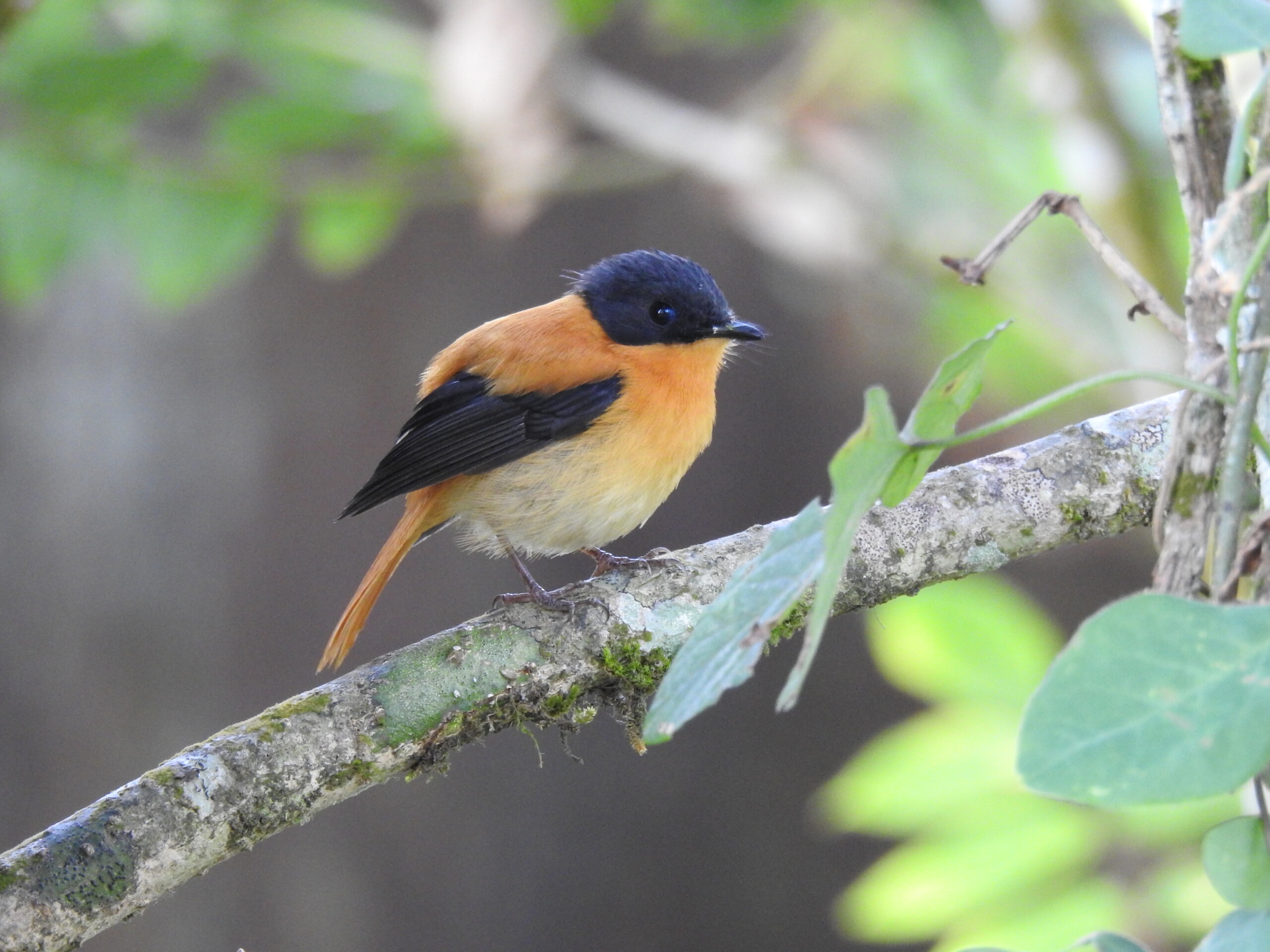
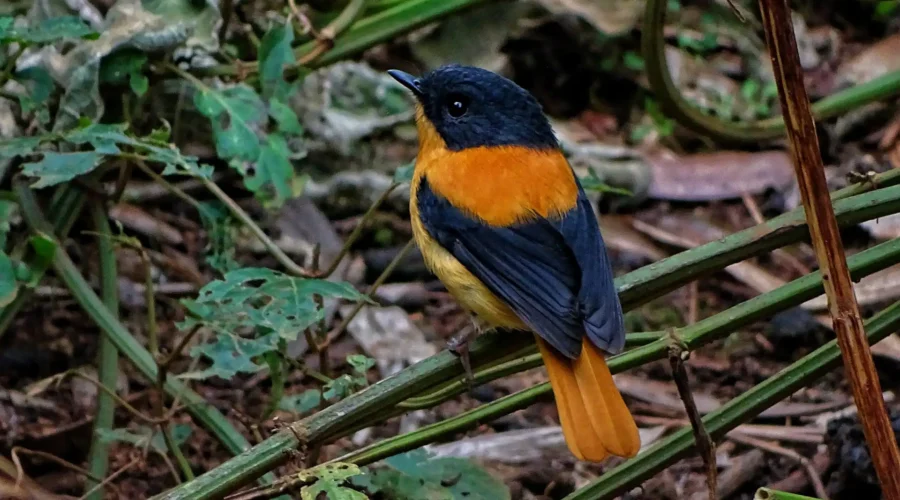
- Black-and-orange Flycatcher
- Palani Laughingthrush
- Nilgiri Wood Pigeon
- Nilgiri Pipit
- Rufous Babbler
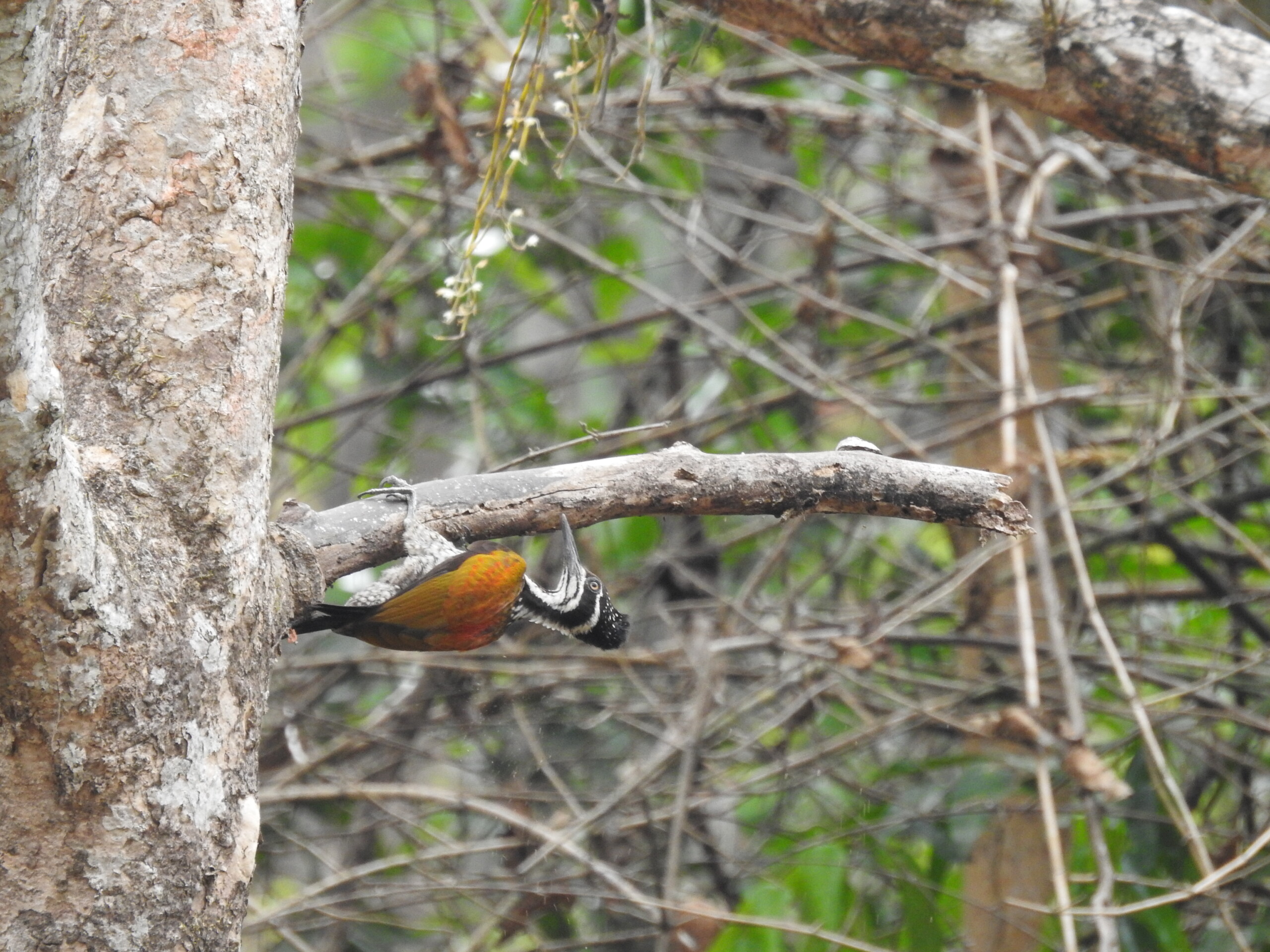
- Malabar Flameback
- Nilgiri Flowerpecker
- Indian Yellow Tit
- Malabar Whistling Thrush
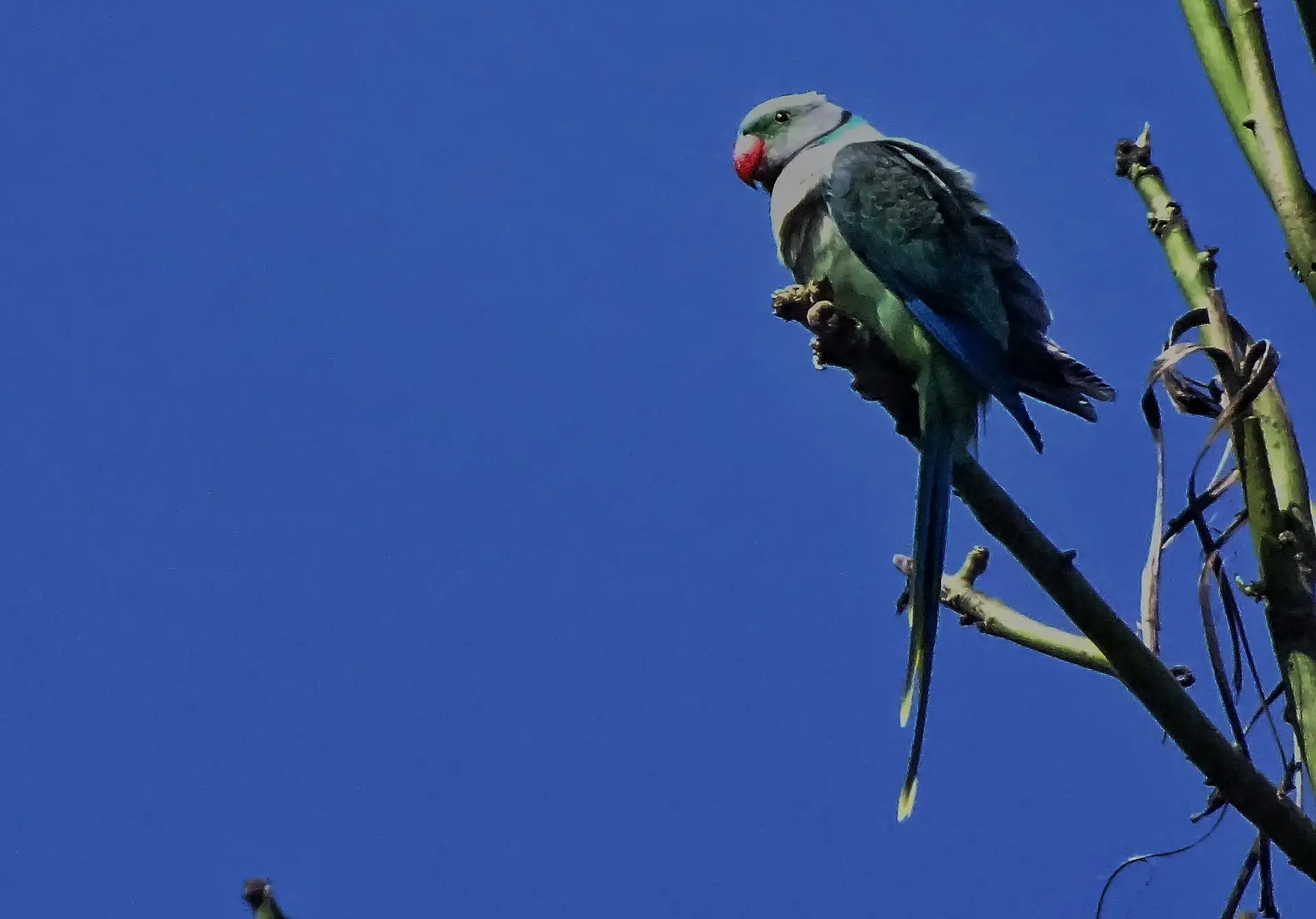
- Malabar Parakeet
- Square-tailed Bulbul
- Grey-fronted green Pigeon
- Crimson-backed Sunbird
- Malabar Barbet
- White-cheeked Barbet
- Malabar Grey Hornbill
- Indian Scimitar Babbler
- Palani Laughingthrush
- Nilgiri Thrush
- Broad-tailed Grassbird
Several of these species are most reliably found in Munnar’s shola forest and grassland landscapes,
particularly around the Eravikulam and highland forest zones.
Other Birding Highlights
In addition to endemics, Munnar supports a wide range of forest, grassland and Himalayan-style
montane bird species.
Potential sightings may include:
- Oriental White-eye
- Square-tailed Bulbul
- Common Rosefinch
- Indian Blue Robin
- Tickell’s Leaf Warbler
- Greenish Warbler
- Blyth’s Reed Warbler
- Yellow-browed Bulbul
- Pied Bushchat
- Indian Blackbird
- Painted Bushquail
- Crested Goshawk
- Black Eagle
- Crested Serpent Eagle
- Vernal Hanging Parrot
- Southern Hill Myna
- Brown-cheeked Fulvetta
- Indian Pitta during migration
- Blue-capped Rock Thrush during winter
- Eurasian Kestrel during winter
- Hill Swallow
Detailed plan
06:00 – Hotel Pickup in Munnar
Your Munnar birdwatching tour begins with an early pickup from your hotel. Early morning is the
most productive time for birding in the highlands, when forest birds are actively feeding and
vocalising.
The exact start time may be adjusted according to your hotel location, season and weather
conditions.
06:30 – Morning Shola Forest Birding
Begin birding in one of Munnar’s most productive shola forest and forest-edge habitats.
The cool early hours are ideal for searching for flycatchers, laughingthrushes, bulbuls, flowerpeckers,
wood pigeons and mixed feeding flocks moving through the forest canopy.
Key target species may include:
- Nilgiri Flycatcher
- Palani Laughingthrush
- Indian Yellow Tit
- Nilgiri Flowerpecker
- Nilgiri Wood Pigeon
- Indian Scimitar Babbler
- Palani Laughingthrush
- Malabar Whistling Thrush
08:30 – Breakfast and Bird List Review
Pause for breakfast or refreshments while reviewing the morning sightings with your guide.
This is also a good time to discuss species missed during the first session and plan the next birding
locations according to recent activity.
09:00 – High-Altitude Grassland and Forest-Edge Birding
Continue to higher-elevation grassland and forest-edge habitats around Munnar and the Eravikulam
landscape.
These open areas can be especially productive for pipits, prinias, bushchats, raptors and other
grassland specialists, while nearby shola patches may hold additional forest endemics.
Key target species may include:
- Nilgiri Pipit
- Black-and-orange Flycatcher
- Painted Bushquail
- Palani Laughingthrush
- Pied Bushchat
- Nilgiri Thrush
- Indian Blackbird
- Oriental White-eye
- White-bellied Sholakili
- Large-billed Leaf Warbler
The tour may also offer opportunities to see Nilgiri Tahr, one of the flagship mammals of the Western
Ghats.
11:00 – Scenic Birding and Photography Session
Spend the late morning exploring selected viewpoints, forest clearings, tea-estate edges or streams,
depending on the day’s bird activity.
This session is particularly useful for photography, scanning for raptors and looking for species that
may have been missed earlier.
12:00 – Return to Hotel
Conclude the half-day Munnar birding experience and return to your hotel.
A full-day extension can be arranged for visitors wishing to explore additional habitats, improve their
endemic bird list or spend more time on photography.
Optional Full-Day Birding Extension
For dedicated birders, a longer full-day programme can be arranged.
The afternoon session may focus on:
- Additional shola forest patches
- Tea estate and woodland-edge birding
- Grassland species missed during the morning
- Raptors and soaring birds
- Winter migrants
- Bird photography in softer afternoon light
- Searching for specific target species such as Nilgiri Pipit, Nilgiri Thrush or Nilgiri Wood Pigeon
A full-day Munnar birding tour is particularly recommended for birders with a focused target list or
those visiting the Western Ghats for the first time.
Expected Species Count
October–April: 40–65 species
May–September: 35–55 species
Species totals vary according to weather, elevation, seasonal movement and the amount of time
spent birding.
Munnar is not primarily a destination for very high daily species totals. Its real value lies in the quality
of its birds: high-altitude endemics, restricted-range species and specialities that are difficult to find
elsewhere in India.
Seasonal Birding Highlights
October to January
- Cool and pleasant birding conditions
- Winter migrants present
- Excellent chances for flycatchers, warblers and thrushes
- Indian Blue Robin and Indian Pitta may be possible
- Good visibility in open grassland habitats
February to April
- One of the best periods for vocal activity
- Resident birds are actively breeding
- Excellent opportunities for Nilgiri Flycatcher and Black-and-orange Flycatcher
- Laughingthrushes, barbets and bulbuls are often more conspicuous
- Good season for bird photography
- May to September
- Lush green landscapes and dramatic cloud-forest scenery
- Resident endemic birds remain present
- Fewer visitors in the birding areas
- Rain can affect access and visibility, but birding can still be highly productive
- Excellent time for travellers interested in monsoon landscapes and forest bird activity
Bird Photography Opportunities
Munnar offers superb opportunities for photographers looking for Western Ghats endemic birds in
dramatic mountain settings.
Photographic highlights may include:
- Nilgiri Flycatcher
- Black-and-orange Flycatcher
- Nilgiri Wood Pigeon
- Indian Yellow Tit
- Palani Laughingthrush
- White-bellied Sholakili
- Nilgiri Flowerpecker
- Malabar Whistling Thrush
- Indian Scimitar Babbler
- Oriental White-eye
- Pied Bushchat
- Nilgiri Pipit
- Black Eagle
- Malabar Parakeet
- Crimson-backed Sunbird
- Nilgiri Tahr
The mix of forest trails, open slopes, tea-country edges and mountain viewpoints provides a wide
range of natural backgrounds and photographic settings.
Tour Information
Duration: Half Day, approximately 4–6 hours
Full-Day Extension: Available on request
Difficulty: Easy to moderate
Walking Distance: Approximately 2–5 km
Terrain: Forest trails, grassland paths, uneven ground and gentle slopes
Elevation: High-altitude birding in the Munnar hills
Suitable for Beginners: Yes
Suitable for Experienced Birders: Yes
Photography Friendly: Yes
Private Tour Available: Yes
Departure Point: Hotels in Munnar and surrounding areas
Best Start Time: Early morning
Transport: Private vehicle with hotel pickup and drop
Inclusion
- Pickup (from hotel at Munnar area) and drop
- Local birding guide
- Transport
- Entry passes
- Drinking water and refreshments